Energy-Efficient Windows
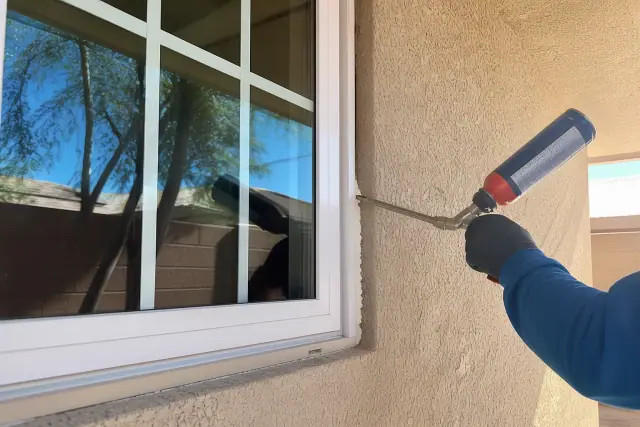
Low-E coatings, argon gas fill, and insulated frames work together to reduce solar heat gain without giving up natural light. We match the glass package to the home's sun exposure and orientation.
Explore Service
Phoenix Window Co. installs energy-efficient windows for homes and businesses throughout Tempe, Arizona. Our local services include vinyl, thermally broken aluminum, custom, sliding, casement and awning, picture, and bay and bow windows. We also handle window repair, insulated glass replacement, and commercial storefront and office glazing. We work directly with manufacturers on NFRC-rated products designed for Sonoran Desert conditions.
Summer afternoons in Tempe routinely push past 110°F, while west- and south-facing glass absorbs direct heat for much of the day. Older single-pane and aging dual-pane windows can make air conditioners run longer and leave rooms at uneven temperatures. Homes near Tempe Town Lake and the Arizona State University campus also contend with reflected heat, and South Tempe properties see strong unshaded western exposure. If your energy bills climb every June through September, we can provide a free window quote and explain which window and frame conditions are contributing.
Phoenix Window Co. is a locally owned, family-run contractor licensed through the Arizona Registrar of Contractors. Each project includes an in-home or on-site consultation, NFRC-labeled product selection, code-compliant installation, and final-inspection coordination when a permit is required.
Tempe's 180,587 residents live amid conditions ranging from dense streets near Downtown Tempe and the Mill Avenue District to broad western exposures in South Tempe, Broadmor, Escalante, Warner Ranch, and the Kyrene and McClintock corridors. Phoenix Window Co. matches glass packages, frame materials, and operating styles to those local conditions rather than using a one-size-fits-all approach. Readers comparing desert-window priorities elsewhere in the Valley can also review our Peoria, AZ location guide before exploring the Tempe services below.
Low-E coatings, argon gas fill, and insulated frames work together to reduce solar heat gain without giving up natural light. We match the glass package to the home's sun exposure and orientation.
Explore Service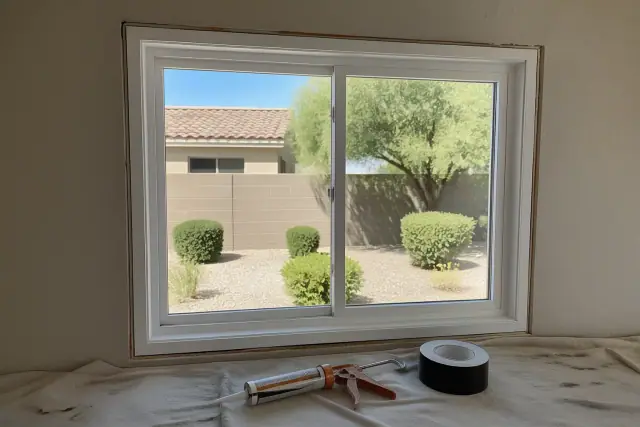
Vinyl frames resist warping and fading under intense UV exposure, need no repainting, and provide an affordable energy-efficient option for whole-home replacement projects.
Explore Service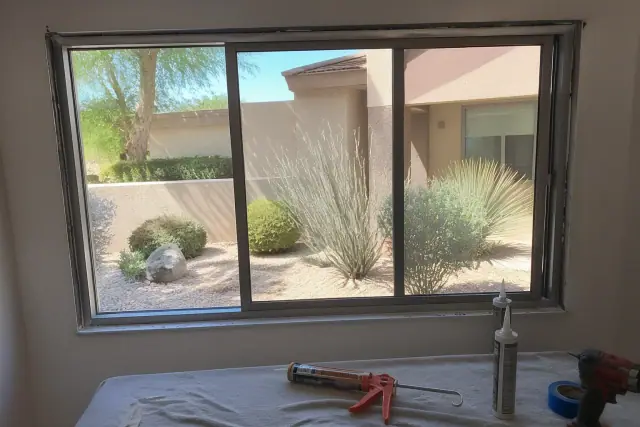
Modern thermally broken aluminum frames combine slim sightlines with strength for larger openings. Their non-conductive break addresses the heat-transfer problem common in uninsulated aluminum sliders installed in Tempe homes during the 1970s and 1980s.
Explore Service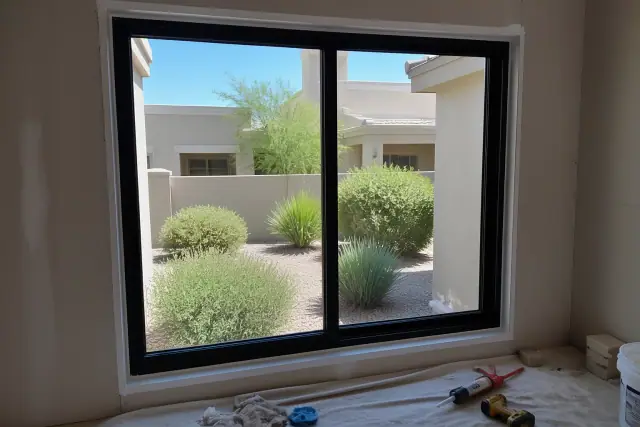
Non-standard shapes, sizes, and configurations can be fabricated for historic homes near Downtown Tempe and other architecturally distinctive properties. Accurate custom units fit existing openings without costly structural rework.
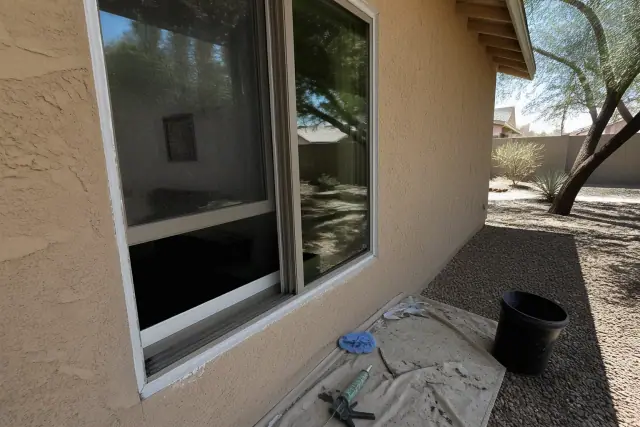
Sliding windows provide wide views and simple operation for patios and backyard-facing rooms. Dual weatherstripping helps resist dust infiltration during Tempe's monsoon season.
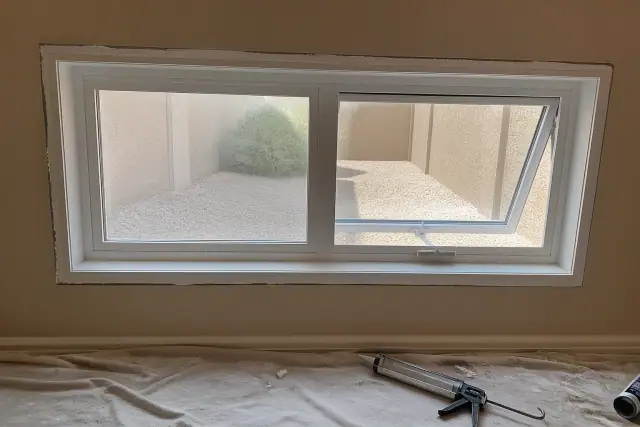
Casement windows crank outward and close against the frame with a tight compression seal, making them useful for hard-to-reach kitchens and bathrooms. Top-hinged awning windows can provide ventilation during cooler months while helping keep rain outside.
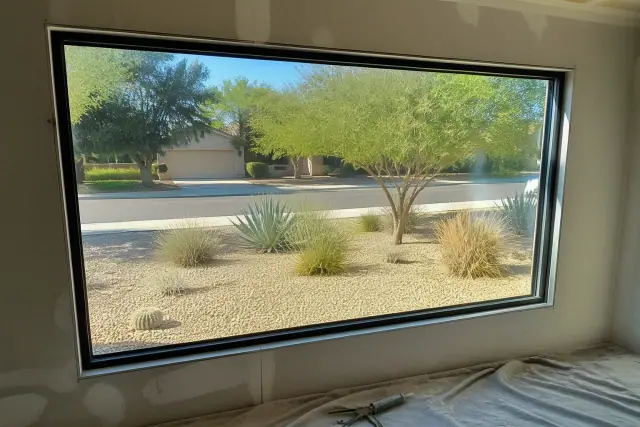
Fixed picture windows maximize glass area and natural light in great rooms and living spaces. Because they do not open, they provide one of the tightest window seals against air leakage.
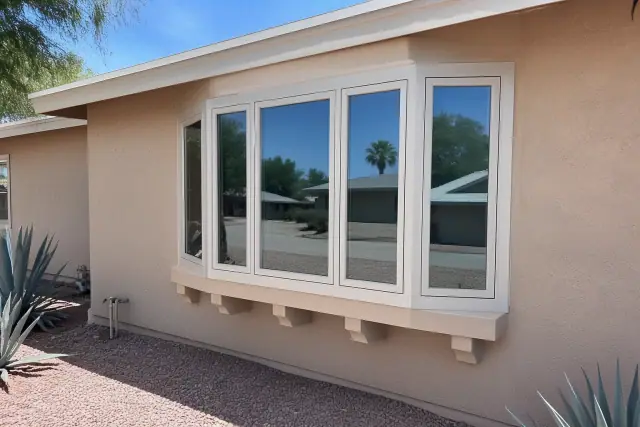
Bay windows project outward at angles to add floor space and a broad sightline for dining or front-facing rooms. Bow windows arrange four or more panels in a gentle curve for homeowners who want more glass area with softer architectural lines.
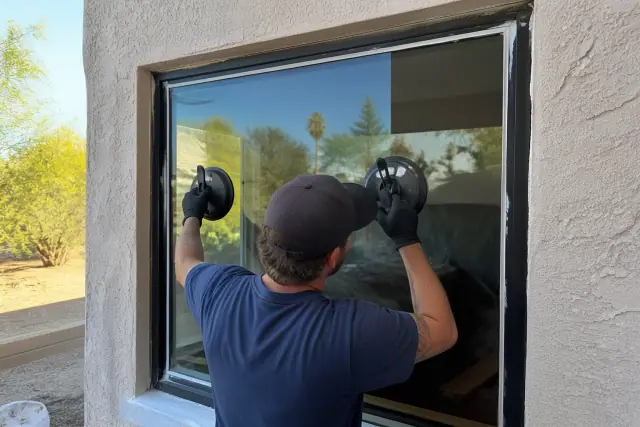
Failed seals, foggy glass, broken balances, and damaged weatherstripping do not always require a full window replacement. A single cracked or fogged insulated glass unit can often be replaced within the existing frame to restore clarity and thermal performance.
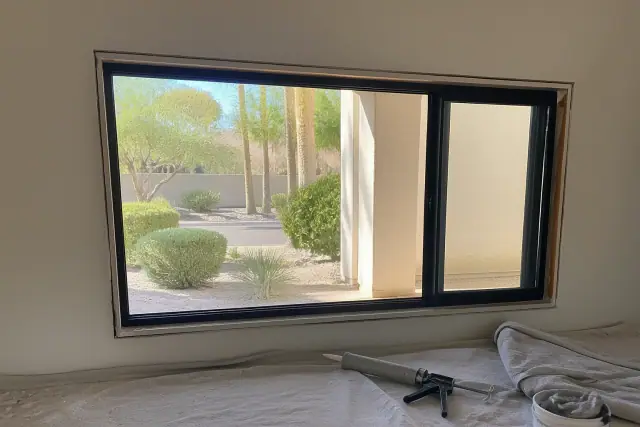
Phoenix Window Co. installs storefront glass, office windows, and commercial glazing systems for retail and office properties near Mill Avenue and throughout Tempe's business corridors. Each opening is sized around applicable commercial energy-code requirements.
The right window depends on the opening, orientation, frame condition, desired ventilation, and exposure to heat, dust, and monsoon weather. A consultation connects those conditions to an appropriate frame material, glass package, and operating style instead of treating every room alike.
Low-emissivity coatings reflect infrared heat while allowing visible light through. They are especially useful on west-facing Tempe windows where reducing solar heat gain is the priority.
A non-conductive thermal break separates the interior and exterior frame material. This limits the direct path outdoor heat can take through aluminum or vinyl frames into sills and interior trim.
Double-pane glass uses a sealed air- or gas-filled cavity to reduce conducted heat transfer compared with single-pane glass. Argon is denser than air and adds measurable thermal performance for a modest cost difference.
A fixed picture window offers a very tight seal, while casement windows use compression seals and still provide ventilation. Sliding and awning styles may be better where wide views, easy operation, or ventilation during cooler rainy weather matters.
Laminated glass and reinforced frames can reduce the risk of shattered glass from wind-driven debris. Products tested to AAMA and ASTM wind-load and impact standards offer added durability for the gusts and haboobs that accompany Tempe monsoons.
Accurate field measurements help a replacement unit fit the existing opening while limiting disruption to stucco and drywall. Custom fabrication addresses unusual shapes or configurations without defaulting to structural changes.
Dry heat, intense UV exposure, daily temperature swings, and a monsoon season that runs roughly July through September can strain frames, seals, glass, and moving hardware. Homes built before the 1990s near Mill Avenue often still have original aluminum sliders without a thermal break, while newer units can also develop repairable seal or hardware problems.
Request a Window AssessmentWest- and south-facing glass can absorb direct afternoon sun and transfer that heat into living spaces. Low-E glass and an insulated frame can address the opening's exposure while preserving natural light.
Older single-pane glass and conductive frames can leave sun-exposed rooms noticeably warmer than the rest of the home. That imbalance can keep an HVAC system cycling through triple-digit afternoons.
Aging seals and poorly fitting operating sashes allow conditioned air to escape and outdoor heat to enter. Compression-sealed casements, tight fixed units, or renewed weatherstripping may address the source depending on the window's condition.
Dust storms and wind-driven monsoon rain expose gaps in weatherstripping and perimeter seals. Frame fit, glazing choice, and dual weatherstripping on sliding units help limit infiltration.
Fog between panes often points to a failed insulated-glass seal, while cracks directly affect clarity and performance. When the frame remains serviceable, replacing the glass unit can restore the window without a full replacement.
Broken balances can make an operable window difficult to raise or hold in position, and damaged weatherstripping weakens the seal. A repair-first diagnosis identifies which components can be fixed before replacement is considered.
Phoenix Window Co. is locally owned, family run, and licensed through the Arizona Registrar of Contractors. The team combines desert-focused product selection with written warranty information, permit coordination when required, and installation practices aligned with Tempe's adopted energy code.
Local ownership and Arizona Registrar of Contractors licensing give Tempe property owners a clear contractor identity for residential and commercial window work.
Product selection centers on NFRC-labeled windows whose thermal characteristics can be matched to sun exposure, opening size, and the intended use of each room.
Manufacturer and installation warranties are explained in writing before work is authorized. When a project needs a permit, the team pulls it through the City of Tempe Development Services Department and coordinates the final inspection.
Projects move from a property-specific consultation through measurement, product selection, code and permit review, installation, and any required final inspection. The sequence keeps decisions tied to the opening and Tempe's desert conditions.
An in-home or on-site consultation identifies the concern, property type, window orientation, ventilation needs, and exposure to heat, UV, dust, and rain.
Field measurements document the opening and surrounding stucco or drywall so the replacement or custom unit can be sized accurately with minimal disruption.
The team reviews NFRC-labeled options, including frame material, operating style, Low-E coatings, double-pane construction, and argon fill, against the opening's needs.
Project requirements are checked against the International Energy Conservation Code as adopted by the City of Tempe Building Safety Division. Permits are pulled through Development Services on jobs that require them.
Installers set and seal the selected unit using code-compliant methods while working to limit disturbance to adjacent finishes and the occupied property.
When a permitted project calls for a final inspection, Phoenix Window Co. coordinates that step with the applicable City of Tempe department and closes out the required inspection sequence.
Case Study 1: South Tempe homes: Low-E glass, insulated frames, and carefully selected operating styles can address long western exposure while maintaining natural light and useful ventilation.
Case Study 2: Downtown and distinctive properties: Custom shapes and sizes can fit existing openings in historic or architecturally unusual buildings without defaulting to structural rework.
Case Study 3: Retail and office properties: Storefront glass, office windows, and commercial glazing can be sized around the opening and applicable commercial energy-code requirements.
Request a free window quote to review the opening, frame condition, sun exposure, and the differences among repair, glass replacement, and full window replacement. Phoenix Window Co. will explain the recommended product and process before you decide how to proceed.
These answers cover window performance, materials, repair decisions, monsoon exposure, local code considerations, and service coverage for Tempe property owners.
Call Our Window TeamLow-E coatings, double-pane glass, argon gas fill, and insulated frames can reduce solar and conducted heat transfer while preserving natural light. The best combination depends on whether the opening faces west or south and how the room is used.
Foggy insulated glass, a cracked pane, broken balances, or worn weatherstripping may be repairable when the frame remains serviceable. Full replacement may make more sense when the frame, seal, glass package, or overall configuration no longer addresses the opening's condition.
Vinyl frames resist warping and fading under UV exposure and do not need repainting. They are also one of the more affordable energy-efficient choices described for whole-home replacement projects.
Modern aluminum windows can work well when the frame includes a non-conductive thermal break. That detail provides slim sightlines and structural strength without the direct heat-transfer path found in older uninsulated aluminum sliders.
ENERGY STAR reports that certified windows can lower household energy bills by an average of up to 13% nationwide when replacing single-pane units. In Tempe, where cooling can dominate utility use for six months of the year, the effect is most relevant during summer billing cycles.
A low-emissivity coating reflects infrared heat while still admitting visible light. It is especially useful on west-facing openings that receive sustained afternoon sun.
Argon is denser than air, so it slows conductive heat transfer inside a sealed double-pane glass unit. It adds thermal performance over an air-filled unit for a modest cost difference.
Fixed picture windows provide very tight seals because they do not open. Casement windows are another strong option because the sash closes against the frame with a compression seal.
A properly fitted sliding window with dual weatherstripping can help resist dust infiltration during monsoon conditions. Frame fit and seal condition still matter, so damaged weatherstripping should be evaluated.
Bay windows project outward at angles to add floor space and a broad sightline. Bow windows use a gentler curved arrangement of four or more panels for more glass area and softer architectural lines.
Arizona is not a hurricane zone, but laminated glass, reinforced frames, and products tested to AAMA and ASTM wind-load and impact standards can add durability against monsoon gusts and wind-driven debris. Product selection should focus on the actual opening and local exposure.
Yes. Non-standard shapes, sizes, and configurations can be fabricated for historic and architecturally distinctive properties, allowing the unit to match the existing opening without unnecessary structural rework.
Phoenix Window Co. installs storefront glass, office windows, and commercial glazing systems for retail and office properties. Openings are sized around the property and applicable commercial energy-code requirements.
Requirements depend on the project. Phoenix Window Co. follows the International Energy Conservation Code as adopted by the City of Tempe Building Safety Division, pulls permits through Development Services when required, and coordinates a final inspection when the permit calls for one.
Service covers Downtown Tempe, the Mill Avenue District, South Tempe, Broadmor, Escalante, Warner Ranch, and the Kyrene and McClintock corridors. The company also serves Mesa, Chandler, Gilbert, Scottsdale, and Phoenix.