Typical Installed Range
A single standard-size vinyl window typically falls between $400 and $900 installed. The broader $400 to $1,200 per-window range accounts for larger styles, upgraded glass, and more involved trim work.
At Phoenix Window Co., homeowners can use $400 to $1,200 per installed window as a broad Phoenix starting range, but style, frame material, glass package, and window count can move the total substantially. In-person measurement matters because stucco, block walls, structural changes, and custom openings alter labor and material needs.
A single standard-size vinyl window typically falls between $400 and $900 installed. The broader $400 to $1,200 per-window range accounts for larger styles, upgraded glass, and more involved trim work.
Frame material, glass performance, window style, and opening condition set the scope. Vinyl generally starts lower than aluminum or custom wood-clad options, while Low-E glass, thermal breaks, oversized units, and structural work add cost.
Online calculators cannot see stucco patching, block-wall conditions, or nonstandard rough openings. Confirm the measurements, frame and glass selections, included finish work, and at least two written estimates before setting the budget.
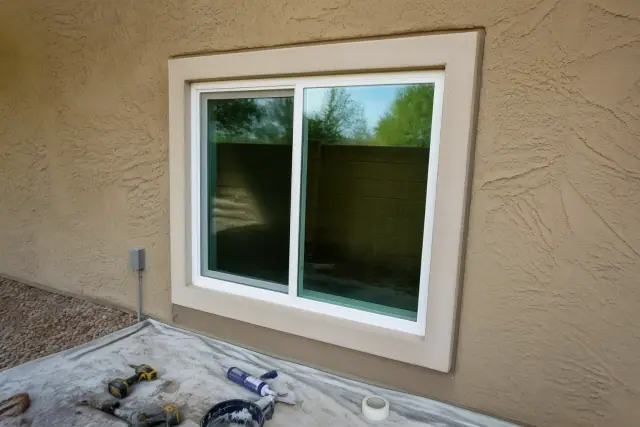
A standard vinyl sliding window fitted into stucco, including the frame and finish-trim area. This establishes the lower-complexity baseline behind many per-window quotes.
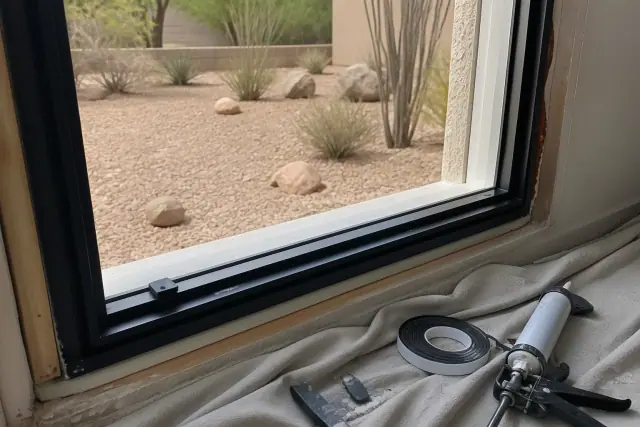
The insulated glass layers and separated aluminum frame path that limit Phoenix heat transfer. Glass performance and frame construction can move both upfront cost and cooling performance.
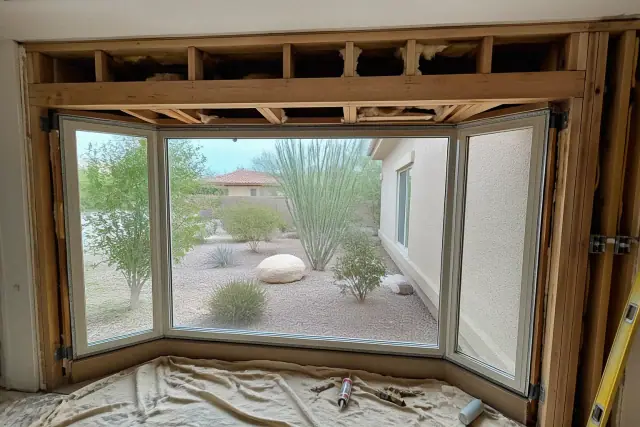
The projecting window assembly, reinforced header, and roof tie-in. Those structural elements explain why bay and bow windows cost more than a standard opening.
$400 to $900 installed for a standard-size vinyl unit, depending on the glass package.
$3,000 to $5,500 in most cases, with a lower per-window labor cost when the openings are handled in one visit rather than separately.
$4,652 is the citywide average; a home around 2,000 square feet averages $8,721, with a typical $4,104 to $18,468 range as window count and upgrades change.
$3,554 to $10,245 installed, with bow windows potentially exceeding the upper range because four or more panels add material and labor.
| Window Style | Typical Installed Cost Range | What Shapes the Range |
|---|---|---|
| Sliding | $652 to $2,668 | Opening size, glass package, and weatherstripping. |
| Casement | $589 to $2,993 | Operating hardware and the tight-sealing sash design. |
| Awning | $750 to $1,886 | Opening size and glass choice for sink or bathroom placements. |
| Picture | $478 to $2,412 | Glass size and Low-E or UV-control upgrades, without operating hardware. |
| Bay | $3,554 to $10,245 | Structural framing and possible roofing work at the header. |
| Bow | $3,554 to $10,245+ | Four or more curved panels add material and labor. |
Phoenix's citywide whole-project average of $4,652 is roughly 35 percent below the national average, but that single number does not describe every home. A project for a home around 2,000 square feet averages near $8,721 because window count, window area, and efficiency upgrades differ. Low-E dual-pane glass may reduce cooling-related energy costs by an estimated $300 to $600 per year; over five years, that is $1,500 to $3,000, depending on home size and window count.
Material sets the baseline: vinyl is generally the more affordable frame, while aluminum costs more and conducts heat faster unless it includes a thermal break. Low-E dual-pane units built around Southwest climate-zone targets of a U-factor of 0.30 or lower and an SHGC of 0.25 or lower cost more upfront than single-pane glass, while tempered glass can be useful on south- and west-facing exposures. Custom shapes, oversized openings, and historic-home matching in areas such as Encanto can push an opening toward $6,000 or more, depending on complexity. Labor includes removal, frame preparation, insulation, flashing, and finish trim; stucco, block walls, and nonstandard rough openings can add work. Across Phoenix's 517.9 square miles, opening conditions range from 1950s ranch homes to newer Sun Corridor construction, while residential work is commonly priced per opening and larger commercial glazing is bid by project.
A residential project of 6 to 10 windows commonly takes one to two days, while custom bay or bow windows and larger commercial scopes can take a week or more. A Phoenix permit is generally needed when replacement changes the structural opening, bedroom egress, or framing; a like-for-like replacement in the same opening often follows a simpler review. Glass-only replacement may make sense when the insulated glass unit has failed but the frame remains sound, while fogging, warping, a difficult sash, or rising summer cooling bills point toward full replacement. Twenty-year-old windows deserve a condition review, especially after two decades of Phoenix UV exposure and thermal cycling. Late fall and winter can bring shorter installation lead times, though material prices may not move as much as crew availability. State and utility incentives change, so confirm current program terms before including a rebate in the budget.
A free in-home estimate should measure every opening and account for frame material, glass, removal, insulation, flashing, trim, and any stucco or block-wall work. Ask the local team to confirm permit coordination, explain what the written scope includes, and review available financing before you approve a whole-home project.